Key Takeaways
- Preparing your car before winter arrives is one of the best ways to stay safe on New Zealand’s roads, with tyre condition, battery health, lights, wiper blades, and coolant levels all being important factors to consider.
- Winter driving requires extra caution, particularly on icy roads and black ice, so slowing down, increasing your following distance, and checking weather conditions help reduce any risks.
- Clear visibility is essential during winter, and maintaining compliant, high-quality window tint can help reduce glare, improve driving comfort, and support safer driving in low-light conditions.
New Zealand winters can go from drizzly to dangerous pretty fast, especially if you’re heading into the South Island or crossing an alpine pass. Preparing your car for snow in New Zealand isn’t just about comfort; it’s about getting there safely.
If you’re commuting through a frosty Christchurch morning or planning a longer journey through the South Island, a bit of prep goes a long way. More importantly, it’s also worth thinking about your windows year-round, since quality car tinting helps cut the low-angle winter glare that makes driving in the colder months tricky.
Pre-Journey Car Preparation Checklist For New Zealand’s Winter
Before you go anywhere in cold weather, run through these basics:
- Battery: Cold temperatures reduce a battery’s cranking power significantly. If yours is a few years old, get it tested before winter hits.
- Window tint: Check that your window tint complies with New Zealand regulations and doesn’t unnecessarily reduce visibility in low-light winter conditions.
- Coolant: Make sure the coolant mix is right for cold conditions. A garage can check this quickly.
- Oil: Use the grade recommended for your vehicle in cold weather.
- Wiper blades: Worn blades smear rather than clear. Replace them before winter and top up your washer fluid with a product that won’t freeze.
- Lights: Check all lights are working properly, including brake lights and indicators.
- First aid kit: Keep one in the car, along with warm clothes and a blanket if you’re covering long distances in remote areas.
Vehicle Essentials For Safe Driving in Icy Conditions
Preparing your vehicle for winter driving is just as important as adjusting your driving habits. Even a few simple vehicle essentials can help you stay safer and better equipped for icy road conditions.
Tyre Tread & Pressure
Your tyres are the only thing between your car and the road, so tread depth is not something to ignore. The New Zealand Transport Agency requires a minimum of 4 mm tread depth. This makes a real difference on wet or icy roads. It’s also equally important to check your tyre pressure. This is because cold air causes pressure to drop, and under-inflated tyres reduce traction and increase the chance of wheel spin on slippery roads.
Fog Lights
Fog lights are legal to use in New Zealand when visibility is severely reduced to below 100 metres because of fog, heavy snow, or heavy rain. However, using them in normal rain or light mist is actually illegal and can dazzle other drivers. Dipped headlights are the right choice in most wet or low-light winter conditions. Keep them on during heavy rain and fog, and make sure they’re clean and working properly before you head out.
Snow Chains
Some of New Zealand’s alpine routes regularly require snow chains in winter. Roads like the Milford Road, Crown Range, Lindis Pass, Arthur’s Pass, and Lewis Pass can all have chain requirements in place after heavy snow. Failing to carry them when signs require it can mean being turned around or fined.
Frost Protection for Your Car Window
In parts of New Zealand such as Dunedin, winter mornings often bring heavy frost that can severely reduce visibility. To prevent ice buildup, cover your windscreen with a frost guard or towel overnight, use a de-icer spray when needed, or run your vehicle’s demister with the air conditioning on. Avoid pouring hot water on frozen glass, as the sudden temperature change can cause cracks.
Visibility & Window Preparation
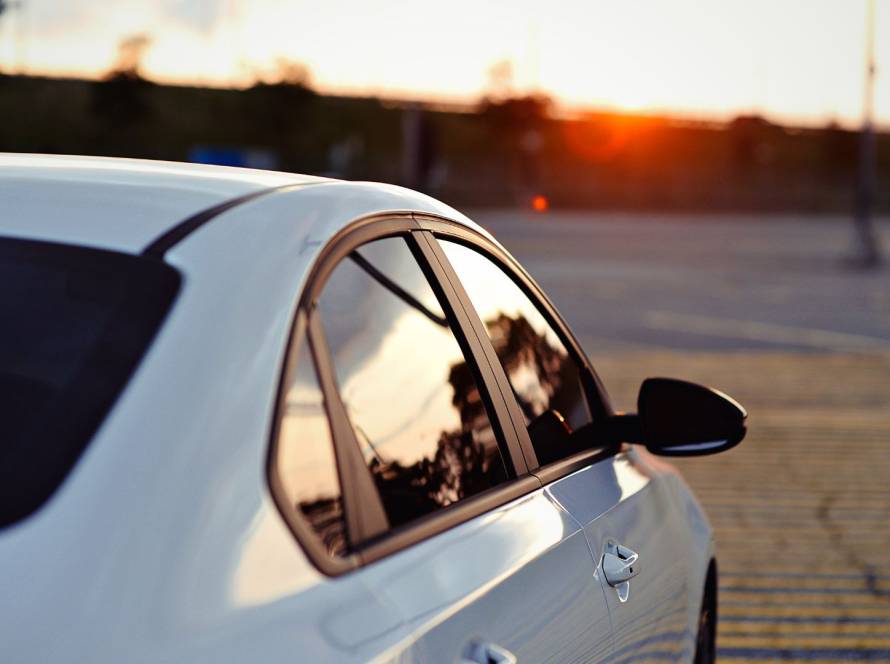
High-quality window tint can help reduce glare from the low winter sun, making driving more comfortable during early mornings and late afternoons. However, it’s important that your tint complies with New Zealand’s regulations and does not reduce visibility in low-light winter conditions. If your tint is peeling, bubbling, or damaged, consider having it repaired or replaced to maintain clear visibility throughout winter.
Is your current window tint hindering your visibility in winter? Contact us for expert advice, so you can drive with confidence in colder conditions.
What to Watch Out For When Driving During Winter
Icy Roads and Black Ice
Black ice is one of the most dangerous things you’ll encounter on New Zealand’s roads in winter. It forms when temperatures drop below 0°C, often on bridges, overpasses, and in shady areas where the sun doesn’t reach. If you hit a patch of black ice:
- Don’t brake suddenly. Sudden braking makes things worse and can cause you to lose control.
- Ease off the accelerator and steer smoothly.
- Use low gear to slow down, especially on descents.
- Brake gently if you must, with steady, light pressure.
The key is to avoid skidding. Slow and smooth is the right approach on any icy road.
Weather Forecast and Road Closures
Always check the weather forecast before a winter journey, particularly for alpine areas. Snow warnings can pop up quickly, and conditions can change fast. Road closures also happen every winter on routes affected by heavy snow or ice, so knowing about them before you leave saves a lot of stress. If the forecast is genuinely bad, sometimes the safest thing is to wait. Avoid driving in conditions that are beyond what your vehicle and tyres can handle.
Other Tips for Safe Driving in Winter Conditions
Once you’re on the road, your approach to driving matters as much as the prep work. A few winter driving tips worth keeping in mind:
- Increase your following distance. On a wet or icy road, stopping takes much longer. It can take at least twice as long to stop on icy roads, so keep a greater distance from other cars than you normally would.
- Slow down. Speed limits are set for good conditions. In bad weather, slow down to match what the road is actually like.
- Use low gear on hills. Descending a steep hill in a higher gear on a wet road is asking for trouble. Drop down and let the engine help control your speed.
- Be aware of other drivers. Not everyone around you will have prepared properly. Leave extra room, ensure you have full visibility, and expect the unexpected.
- Avoid sudden braking or sharp steering. Both can cause wheel spin or a skid on a slippery road.
- Stay warm. Keep warm clothes in the car in case you break down in a remote spot.
Is your vehicle prepared for New Zealand’s toughest winter conditions? From compliant window tinting to improved visibility and driving comfort, we can help you stay safer on the road this winter.
Ready for Winter? We Can Help with That
Instant Tinting offers professional vehicle tinting that reduces winter glare from low sun angles and oncoming headlights at night. We also offer interior protection and exterior protection for your car to help keep your vehicle in good shape year-round. Contact us and get a free quote from our team today.
Faqs
Can I put a towel on my windshield to prevent frost?
Yes, you can. A dry towel or a dedicated frost cover placed over the windscreen overnight works well as frost protection for car windows. Just make sure to weigh down the edges so it doesn’t blow off in the wind.
How long can my car sit in the winter cold without being driven?
A healthy battery can start to lose charge after a couple of weeks in cold conditions. Make sure you’re starting and driving your car at least once a week in cold weather, or using a trickle charger if it’ll be sitting for longer.
Is it normal for car windows to frost on the inside?
It can happen. Inside frost usually means there’s excess moisture in the cabin, often from damp clothes, a wet boot mat, or a small leak. Run your demister with the air conditioning on, and consider using a moisture absorber in the car. If it keeps happening, check for any leaks letting water in.
What can I do when my car window is frozen and won’t go down?
Don’t force the window. The ice along the seal can cause damage if you try to force it. Instead, warm up the cabin, spray a de-icer along the window seals, and wait for the ice to melt before trying to lower the window.